
Freebeat: review, pricing and alternatives
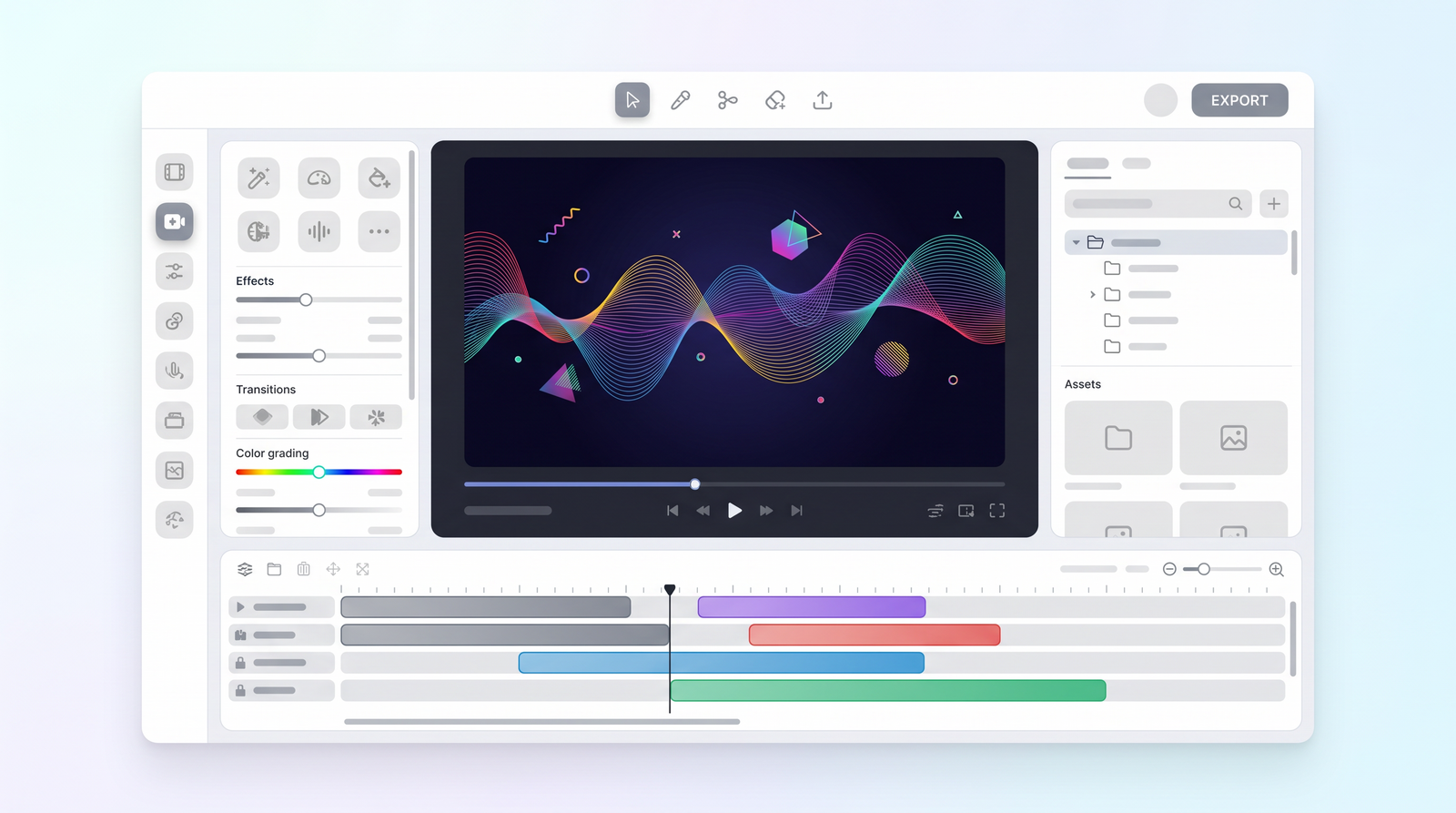
What is Freebeat AI Music?
When I first stumbled upon the concept of Freebeat, I was immediately curious. The name itself hints at rhythm and accessibility, and that's precisely what Freebeat AI Music aims to deliver. Scheduled for a 2025 launch, it's positioned as an innovative artificial intelligence-powered platform designed to generate royalty-free background music.
Its core purpose, as I understand it, is to simplify the often-complex and costly process of acquiring suitable music for various creative projects. Think about it: finding the perfect track that fits your mood, duration, and legal requirements can be a huge time sink. Freebeat steps in to automate that, providing a library of endlessly customizable and legally clear audio.
I see Freebeat's intended audience as broad but focused primarily on content creators. This includes independent filmmakers, podcasters, YouTubers, social media managers, and even small businesses looking for unique sonic branding without the hefty price tag or the headache of licensing agreements. It's built for anyone who needs high-quality background music quickly and without legal ambiguity.
Ultimately, Freebeat AI Music is shaping up to be a tool for democratization, offering professional-sounding scores to those who might not have the budget for bespoke compositions or extensive stock music subscriptions. It's about empowering creators to elevate their content with sound that's both original and hassle-free.
Key Features Overview
Diving into Freebeat's announced functionalities, I'm struck by the emphasis on customization and usability. It seems to cover the bases that most creators look for in an AI music generator. The first thing that caught my eye is the ability to select specific moods and genres. Instead of sifting through thousands of tracks, you can tell Freebeat you need something 'upbeat and cinematic' or 'calm and ambient,' and it will generate options tailored to that request. This alone is a huge time-saver.
Beyond genre, I appreciate the promise of adjustable tempo. This is crucial for video editors or game developers who need a track to perfectly sync with visual cues or gameplay pacing. Being able to fine-tune the BPM after generation, or even before, would be a game-changer for many. Similarly, the platform is expected to offer a robust instrument selection, allowing users to guide the AI towards specific sonic palettes—whether you want a synth-heavy track or something orchestral and acoustic.
One feature I'm particularly keen on is its seamless looping capabilities. For game developers or those creating long-form content, having music that can loop indefinitely without an awkward cut is invaluable. Freebeat aims to generate tracks that are inherently loop-friendly, saving users the painstaking task of editing loop points manually. Finally, the platform wouldn't be complete without versatile export options. I expect to see standard formats like MP3 and WAV, ensuring compatibility with virtually any video editing software, DAW, or media player.
These features, taken together, suggest Freebeat is designed to be a comprehensive, user-friendly tool that addresses common pain points in music acquisition for content creation. It's not just about generating music; it's about generating *usable* music.
How Freebeat Works
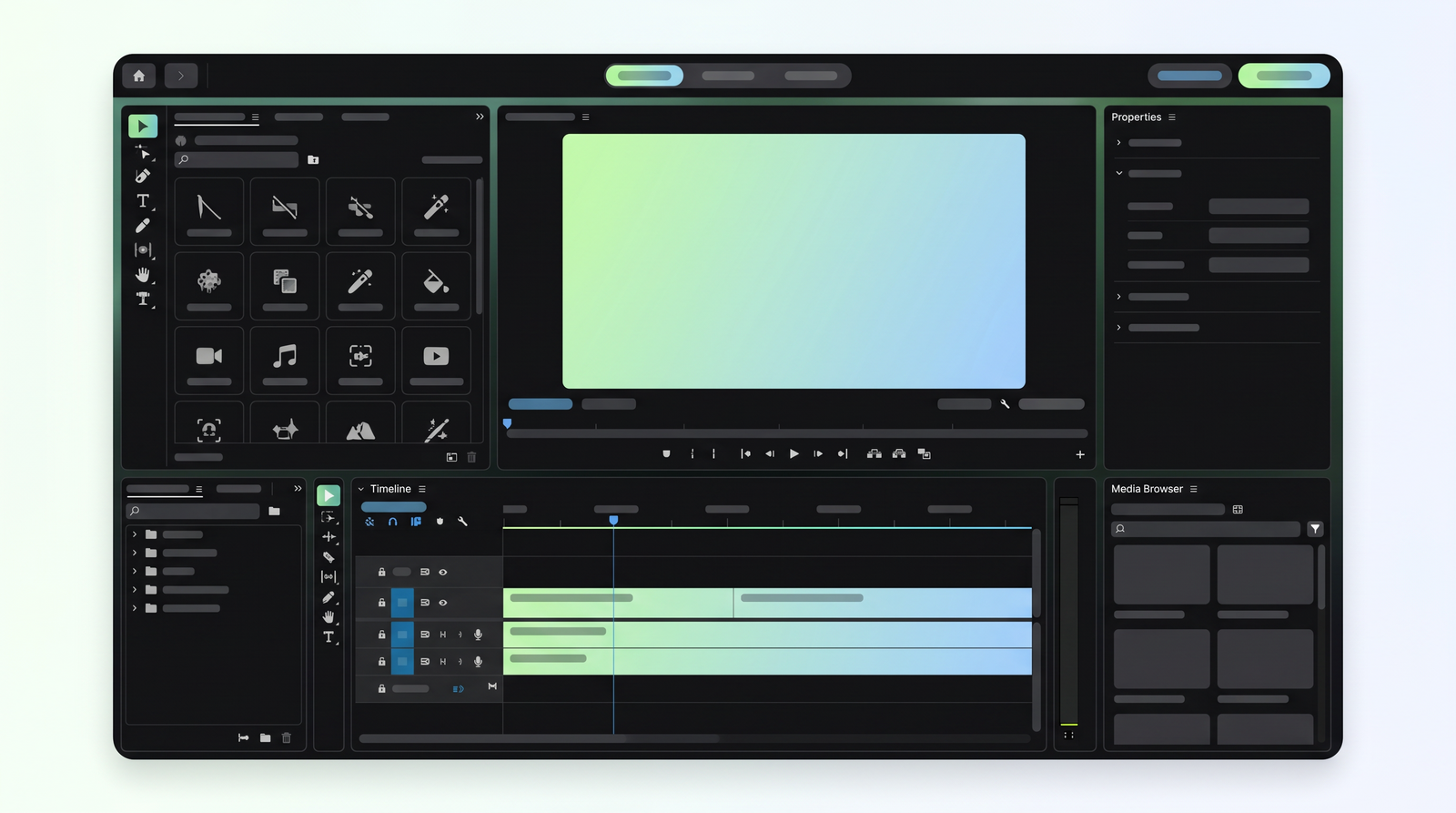
From what I gather, the user experience with Freebeat is designed to be intuitive and direct, minimizing the learning curve. You won't need a music degree to get started, which is a major plus for its target audience. The process generally begins with defining your parameters. You'll likely encounter a straightforward interface where you can input your desired genre (e.g., electronic, orchestral, folk), the specific mood you're aiming for (e.g., happy, mysterious, intense), and the required length of the track.
Once these initial selections are made, you might have further options to refine your request, such as specifying key instruments, energy levels, or even structural elements like the presence of a clear build-up or breakdown. This granular control, even within a simplified interface, is what will set Freebeat apart from more basic generators. The more detail you provide, the better the AI can understand your vision.
After you hit 'generate,' the AI takes over. This is where Freebeat's algorithms spring into action, drawing upon vast datasets of musical theory, composition, and existing audio. It's not simply stitching together pre-recorded loops; it's synthetically composing a unique piece of music based on your input. The AI analyzes the chosen parameters and constructs melodic lines, harmonies, rhythms, and instrumentation in real-time, aiming to produce a track that perfectly matches your specifications.
The output is then presented to you, often with several variations, allowing you to preview and select the best fit. I anticipate features for further small adjustments post-generation, like slight tempo tweaks or instrument volume adjustments, before the final export. It's a fascinating blend of user guidance and algorithmic creativity, promising unique results with every interaction.
Pricing and Subscription Plans
When it comes to accessing Freebeat AI Music, I've seen indications of a tiered pricing structure, which is pretty standard for SaaS tools of this nature. This approach allows users to pick a plan that best fits their usage needs and budget, ranging from casual exploration to professional, high-volume creation. Based on the projected monthly costs in the $6.99 - $24.99 range, it seems Freebeat is aiming for affordability and flexibility.
At the entry level, I expect a Free tier. This would likely offer limited generations per month, basic customization options, and perhaps watermarked exports or attribution requirements. It’s perfect for someone wanting to test the waters or for very occasional use. It acts as a gateway, letting users experience the core functionality before committing financially.
Moving up, the Basic plan, likely around the lower end of the projected price range, would unlock more generations, higher quality exports, and possibly a wider array of customization features. This tier is probably aimed at hobbyist content creators or those with moderate needs, providing a solid balance between cost and capability. The Pro tier, sitting closer to the higher end of the price range, is where I anticipate serious creators would find their home. This plan would offer unlimited or very high generation limits, advanced instrumental control, priority support, and perhaps exclusive sound libraries or advanced mixing tools. It's for consistent users who rely on AI music regularly for their projects.
Finally, I foresee an Enterprise solution, though details are usually bespoke for such plans. This would cater to larger agencies, production houses, or game studios, offering custom features, dedicated account management, and potentially API access for integration into existing workflows. The tiered approach ensures that Freebeat can serve a diverse user base effectively.
| Plan | Price (Monthly) | Best for |
|---|---|---|
| Free | $0 | Testing the platform, occasional personal projects, attribution required. |
| Basic | ~$6.99 - $9.99 | Hobbyist creators, moderate usage, higher quality exports. |
| Pro | ~$14.99 - $24.99 | Professional content creators, high volume needs, advanced customization. |
| Enterprise | Custom Quote | Large organizations, studios, bespoke features, API integration. |
Pros and Cons of Freebeat
Like any emerging technology, Freebeat AI Music comes with its own set of advantages and potential drawbacks. From my perspective, the benefits lean heavily towards convenience and efficiency, which are highly valued in today's fast-paced content creation landscape.
The biggest draw for me is the promise of royalty-free status. This eliminates the often-confusing and sometimes expensive world of music licensing, giving creators peace of mind. The sheer speed of generation is another huge pro; imagine needing a track in minutes, not hours or days. This agile approach to music creation can significantly streamline production workflows. I also appreciate the high degree of customization, allowing users to tailor tracks to specific needs, and the overall ease of use, which lowers the barrier to entry for non-musicians.However, it's essential to maintain a balanced perspective. A common concern with AI-generated music, and one I anticipate with Freebeat, is the potential for generic output. While customizable, AI might struggle to capture the nuanced emotion or unexpected brilliance of human composition. There's a certain 'soul' or unique artistic signature that can be difficult for algorithms to replicate. This leads to the broader point about the lack of human artistry; a computer can compose, but can it truly *feel* or *express* in the same way a human composer does?
Another potential con could be the learning curve for advanced customization, or perhaps a limited range in truly experimental genres. While it aims for broad appeal, deep niche exploration might still require a human touch. For many, though, the benefits of speed, cost-effectiveness, and legal clarity will likely outweigh these artistic limitations.
Performance and Output Quality
When evaluating an AI music generator like Freebeat, the ultimate question revolves around its performance and the quality of its output. Based on what I've seen from other AI music tools, I expect Freebeat to deliver music that is technically competent and harmonically sound. The AI should be capable of producing tracks that adhere to conventional musical structures and sound professional in terms of production value.
For most background music needs, I believe Freebeat's output will be more than suitable. Think about explainer videos, corporate presentations, vlogs, or even simple game loops—areas where a consistent, mood-appropriate track is key, but a groundbreaking artistic statement isn't necessarily the primary goal. The music should effectively fill the sonic space, enhance the mood, and remain unobtrusive, exactly what good background music should do.
Where Freebeat will really shine, in my opinion, is in its ability to meet user specifications for mood and style. If I ask for an 'upbeat, jazzy track with a positive vibe,' I expect to receive something that genuinely embodies those characteristics. The AI's power lies in its capacity to understand and translate these abstract concepts into concrete musical forms. This means less time spent hunting for the 'right' track and more time creating content.
However, it's important to set realistic expectations. While the quality will likely be high for background use, those seeking avant-garde compositions, highly specific instrumental solos, or truly innovative sound design might still find AI-generated music a bit conservative. The strength of Freebeat will be in its reliability and consistency in delivering on common requests, making it a powerful utility for everyday content creation rather than a replacement for a human composer on a blockbuster film score.
Who Is Freebeat Best For?
After considering its features and value proposition, I've got a pretty clear picture of who Freebeat AI Music will best serve. It's not a one-size-fits-all solution, but it definitely carves out a significant niche for specific types of creators and businesses. Essentially, anyone who regularly needs custom, royalty-free background music but lacks the budget for a composer or the time to sift through extensive stock libraries is a prime candidate.
First and foremost, video editors and YouTubers come to mind. They're constantly churning out content and need fresh, legally clear music to avoid copyright strikes and keep their viewers engaged. Freebeat's speed and customization would be invaluable for them. Similarly, podcasters, who often need intro/outro music, transitions, and ambient soundscapes, would find it incredibly useful for maintaining a consistent audio brand without hassle.
Game developers, especially indie studios with limited resources, could leverage Freebeat to generate dynamic background scores and loopable tracks for various game environments. The ability to quickly iterate on musical themes based on game mood or level progression is a huge advantage. Small businesses and marketers are another key demographic; they need music for commercials, explainer videos, and social media campaigns, and Freebeat offers an affordable way to create unique sonic identities.
Even event organizers might find a use for it, quickly generating ambient music for different parts of an event or unique jingles. In essence, if your creative workflow demands regular, tailored music that won't break the bank or land you in legal trouble, Freebeat AI Music seems designed precisely for you.
Freebeat Alternatives and Comparisons
The AI music generation space, while still relatively new, is becoming increasingly competitive, and Freebeat will enter a market with several established players and traditional stock music libraries. When I look at alternatives, I consider both other AI tools and conventional options to see how Freebeat might differentiate itself.
On the AI front, you have tools like Soundraw, AIVA, and Mubert, each with their own strengths. Soundraw, for instance, is known for its user-friendly interface and quick generation, often appealing to content creators. AIVA focuses more on classical and cinematic scores, aiming for more complex compositions. Mubert offers a unique approach with its generative streaming API, allowing for continuous, evolving soundtracks. Freebeat, with its emphasis on royalty-free background music and specific customization options like tempo and instrument selection, seems to be positioning itself as a highly practical, all-in-one solution for everyday content needs, possibly offering a more streamlined workflow than some of its more complex competitors.
Then there are the traditional stock music libraries like Epidemic Sound, Artlist, and AudioJungle. These offer vast human-composed libraries, often with excellent quality and broad licensing. However, they typically involve searching through pre-existing tracks, which can be time-consuming, and while royalty-free, they often come with subscription costs that might be higher than Freebeat's projected range. The key differentiator for Freebeat here is the *on-demand generation* of unique tracks, meaning you're not just picking from a catalog but creating something bespoke.
In terms of features, pricing, and ease of use, Freebeat aims to strike a balance, offering the customization of AI with the legal clarity of stock music, all within an accessible price point. You can see how it stacks up against alternatives on Top10k to get a broader market perspective. Its success will hinge on how well its AI can consistently deliver high-quality, truly unique tracks that meet specific user demands, making it a compelling option for those who value both creativity and convenience.
Getting Started with Freebeat
From what I anticipate, getting started with Freebeat AI Music should be a relatively simple and straightforward process, designed to get you generating music as quickly as possible. The goal for any tool like this is low friction, allowing creators to focus on their projects rather than navigating complex software.
Your first step will undoubtedly be to sign up. I expect a standard registration process, likely involving an email address and password, or perhaps quick sign-up options via Google or social media accounts. Once you're in, you'll probably be guided through a brief onboarding tour that highlights the main features and interface elements, getting you acquainted with the platform.
To generate your first track, you'll typically start by navigating to a 'Create' or 'Generate' section. Here, you'll be presented with the core input parameters. Imagine sliders or dropdown menus for selecting your desired genre (e.g., 'Electronic,' 'Acoustic,' 'Cinematic'), mood (e.g., 'Happy,' 'Melancholy,' 'Energetic'), and track length (e.g., 30 seconds, 1 minute, 5 minutes). You might also get to pick key instruments or energy levels at this stage.
After making your selections, a simple click of a 'Generate' button will set the AI in motion. In a matter of seconds, or perhaps a minute for more complex requests, you should have a unique track ready for preview. From there, you'll be able to listen, make minor adjustments, and then proceed to download your royalty-free music in your preferred format. The entire process, from sign-up to a usable track, should be designed for maximum efficiency, allowing you to quickly integrate custom audio into your projects.
Is Freebeat Worth It? Verdict
After looking at what Freebeat AI Music aims to offer, I can confidently say that its value proposition is strong for a specific segment of users. If you're a content creator, marketer, or indie developer who frequently needs custom background music that is both royalty-free and quickly generated, then Freebeat could very well be a game-changer for your workflow.
Its ability to provide tailored tracks on demand, eliminating the tedious search through stock libraries and the complexities of licensing, is its most compelling asset. The tiered pricing, ranging from a free option to more robust professional plans, also makes it accessible to a wide array of budgets. For those operating on tight deadlines or limited funds, the speed and affordability of Freebeat's solutions represent a significant advantage.
However, it's not without its caveats. If your projects demand highly nuanced artistic expression, groundbreaking musical innovation, or a deeply personal touch, AI-generated music, including Freebeat's, might still fall short compared to a human composer. The output, while technically proficient, can sometimes lean towards the generic, lacking that unique spark of human creativity.
My final recommendation is this: for utility, efficiency, and legal peace of mind in background music creation, Freebeat AI Music appears to be an excellent tool. It's worth it for anyone who values speed, customization, and royalty-free assurance over the need for bespoke, high-art musical compositions. It won't replace human composers, but it will certainly empower a new generation of creators to sound more professional and polished without breaking the bank.
Full profile and live ranking: https://top10k.com/ai/freebeat
Published by

Top10k Tools is a suite of online utilities providing a wide range of free utilities built to save time on routine tasks.
It spans SEO, file conversion, calculators, developer utilities, image editing, and productivity. Everything works directly online, so you can start in seconds.
The long-term vision is creating a complete library of 10,000 online utilities covering nearly every everyday task.
Great for marketers, coders, students, and entrepreneurs, Top10k Tools has something useful. Give it a try.
Frequently asked questions
What is Freebeat AI Music's core purpose?
Freebeat AI Music is an AI-powered platform launching in 2025, designed to generate royalty-free background music. Its main goal is to provide content creators, podcasters, video editors, and small businesses with quick, customizable, and legally clear audio tracks for their projects.
What kind of pricing plans does Freebeat offer?
Freebeat is expected to offer a tiered subscription model, including a Free plan with limited features, a Basic plan for hobbyists, a Pro plan for professionals, and an Enterprise plan for larger organizations. Monthly costs are projected to range from approximately $6.99 to $24.99 for the paid tiers.
Can I customize the music generated by Freebeat?
Yes, customization is a core feature of Freebeat. Users will be able to specify genre, mood, tempo, track length, and even select specific instruments to guide the AI in generating a unique piece of music that fits their exact requirements.
Is the music generated by Freebeat truly royalty-free?
Yes, a key promise of Freebeat AI Music is that all generated tracks will be royalty-free. This means users can incorporate the music into their projects without worrying about ongoing licensing fees or complex copyright negotiations.
Who is the primary audience for Freebeat AI Music?
Freebeat is primarily aimed at content creators such as YouTubers, podcasters, video editors, and social media managers. It's also well-suited for indie game developers, small businesses, and anyone needing quick, custom, and legally compliant background music for their digital content.
How does Freebeat compare to traditional stock music libraries?
Unlike traditional stock music libraries, which offer pre-composed tracks, Freebeat generates unique music on demand based on user specifications. This provides a higher degree of customization and eliminates the time spent searching through vast catalogs, offering fresh, bespoke audio every time.
What are the main drawbacks of using Freebeat AI Music?
While highly efficient, potential drawbacks include the possibility of generic-sounding output compared to human-composed music, and a potential lack of truly unique artistic expression. It may not fully satisfy creators looking for avant-garde or highly specific, nuanced musical pieces.
Is Freebeat difficult to use for non-musicians?
No, Freebeat is designed with ease of use in mind. Its intuitive interface and straightforward parameter selection mean that non-musicians can easily generate professional-sounding tracks without needing any prior musical knowledge or technical expertise.